3D printers come in a few popular types, each perfect for different projects. Whether you’re a hobbyist, a pro, or just curious, knowing what’s out there helps you pick the right one.
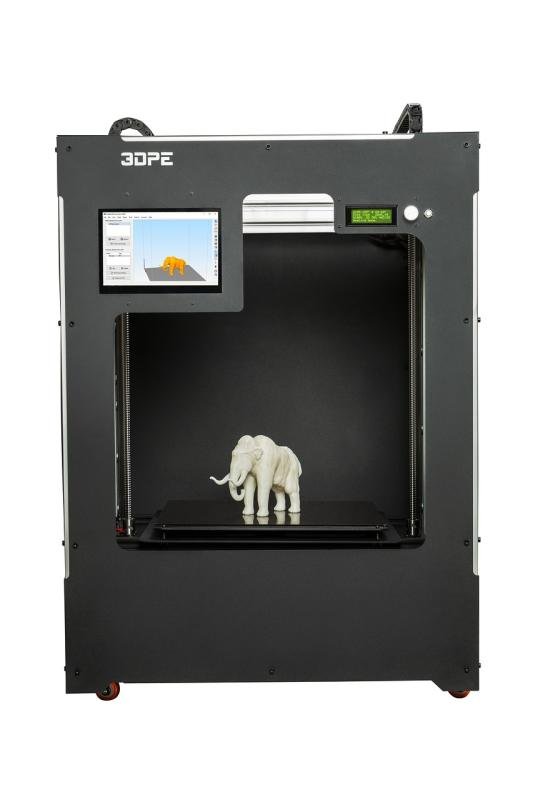
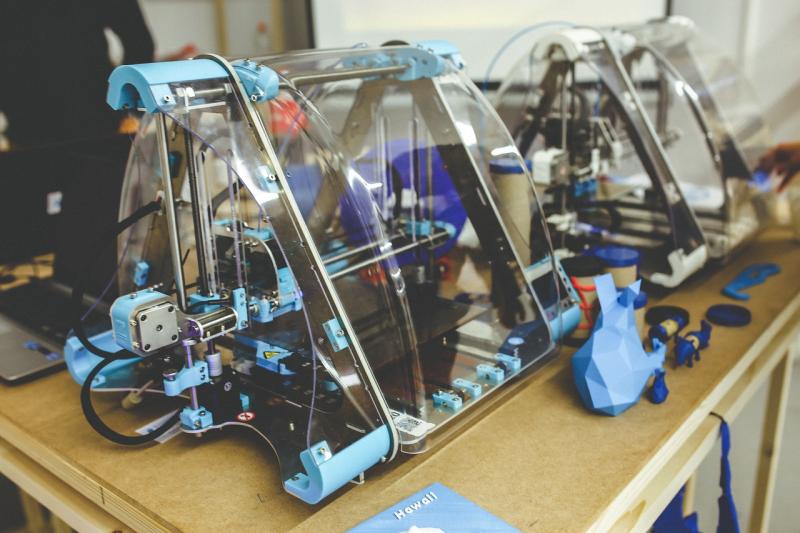
FDM Printers are the most common and beginner-friendly options. They work by melting plastic filament and layering it to create your final piece. FDM printers are great for prototyping and fun DIY projects. They’re affordable and have a wide selection of materials, making them ideal for most simple prints.
Resin Printers take 3D printing up a notch with super fine detail. They use UV light to cure liquid resin layer by layer. If you want to make intricate models or detailed miniatures, these inject a lot of precision into your work. Just keep in mind that handling resin requires some care since it can be messy and a bit smelly.
SLA Printers also use resin but in a different way. They shine a laser through the resin to create a solid model. This method delivers top-notch quality and detail, but it may come at a higher price. Perfect for professionals who need to create flawless prototypes or jewelry. Just be prepared to spend a little time on post-processing!
SLS Printers work a bit differently because they use powdered materials. They build objects by fusing powder particles with a laser. This type of printer is great for creating sturdy, complex designs. It’s the go-to choice for industrial applications, but it’s not really for beginners or casual users.
How to Choose the Right 3D Printer
Picking the right 3D printer can feel overwhelming, especially with all the options out there. But don’t stress! Start by thinking about what you actually want to print. Are you into miniatures, functional parts, or maybe something for art projects? Your needs will help narrow down your choices.
Next up, consider the type of materials you want to use. Most printers work with plastics like PLA or ABS, but some models can handle metals or even flexible filaments. If you have a specific project in mind, make sure the printer supports the material you'll be working with.
Don’t forget about the size of the prints. Some printers have a small build area, while others can tackle larger items. If you plan on printing big projects, look for a printer with a spacious build volume. It’s all about making sure your printer can handle your creative dreams!
Finally, think about your budget. You can find decent starter printers for a few hundred bucks, but more advanced models can go up to several thousand. Look for features that matter to you, like ease of use, speed, and extra functions. Do some research, read reviews, and maybe even watch some videos. This way, you can see which printer feels right for your needs. Happy printing!
Key Features to Consider When Buying
When you're hunting for the perfect 3D printer, there are a few key features to consider. These will help you find what suits your needs best. Let's break it down!
Print Quality: This is crucial. Look for printers that can handle fine details. Resolution plays a big role here. You want a printer that can create smooth, precise prints without a lot of rough edges. Check out sample prints if you can!
Build Volume: Think about the size of the items you want to create. If you're aiming for larger projects, you'll need a printer with a bigger build volume. Smaller printers are great for miniatures and small gadgets, but they won’t cut it for larger models.
Ease of Use: If you’re new to 3D printing, go for something beginner-friendly. Features like touchscreen interfaces, easy assembly, and straightforward slicing software can save you a lot of headaches. You want a printer that won’t frustrate you right out of the box.
Material Compatibility: Different printers work better with certain materials. If you’re interested in using PLA, ABS, or even specialty filaments like flexible or composite materials, check if the printer you’re eyeing is compatible. You want flexibility in what you can create!
Tips for Getting Started with 3D Printing
Ready to dive into the world of 3D printing? Here are some simple tips to help you get started smoothly.
First off, choose the right printer for you. If you’re just starting out, look for a user-friendly model that's easy to set up. Printers like the Creality Ender 3 or Anycubic i3 Mega are great choices because they offer solid performance without breaking the bank.
Next, get familiar with slicing software. This is the program where you'll prepare your 3D models for printing. Software like Cura or PrusaSlicer is fairly straightforward and offers great tutorials to help you along the way. Spend some time experimenting with different settings; you'll learn a ton about how different layers, speeds, and temperatures affect your prints.
Don’t forget about materials! PLA is a good starter material because it's easy to work with and doesn’t require a heated bed. Once you feel comfortable, you can explore other filaments like ABS or PETG for different projects. Each material has its quirks, so always check the recommendations from your printer’s manufacturer.
Lastly, join a community. Whether it's online forums, social media groups, or local maker spaces, talking to other 3D printing fans can really help. You can swap tips, troubleshoot issues, and share your projects. Plus, it makes the whole experience way more fun!