Jumping into 3D printing can feel a bit overwhelming, but it’s actually super fun once you get the hang of it! First off, you need to pick out a 3D printer. There are tons of options out there, ranging from budget-friendly models for newbies to more advanced ones for pros. Look for something that’s user-friendly with a good community and support. Trust me, when you hit a snag, those online forums can be a lifesaver!
Next up, you’ll want to decide on the material. Most beginners start with PLA, which is a biodegradable plastic that’s easy to work with. It’s perfect for all sorts of projects, from models to prototypes. If you’re feeling adventurous later on, you can explore different materials like ABS or PETG. Each one has its own features and benefits, so you can find what works best for your projects.
Software is another key piece of the puzzle. You’ll need slicing software to turn your 3D models into instructions your printer can understand. There are great free options out there, like Ultimaker Cura or PrusaSlicer, that help you set everything up before printing. Don't skip this step—getting your settings right can save you a lot of headaches later.
Finally, grab some models to print! Websites like Thingiverse and MyMiniFactory are full of free designs. You can print anything from cute little figures to practical items like phone cases or plant pots. Just remember to start small. Picking a simple design will help you learn the ropes without getting overwhelmed.
Understanding 3D Printers and Their Types
So, you’re diving into the world of 3D printing? Awesome! Let’s break down what 3D printers are and the different types out there. Getting familiar with the basics makes it so much easier to find the right one for your needs.
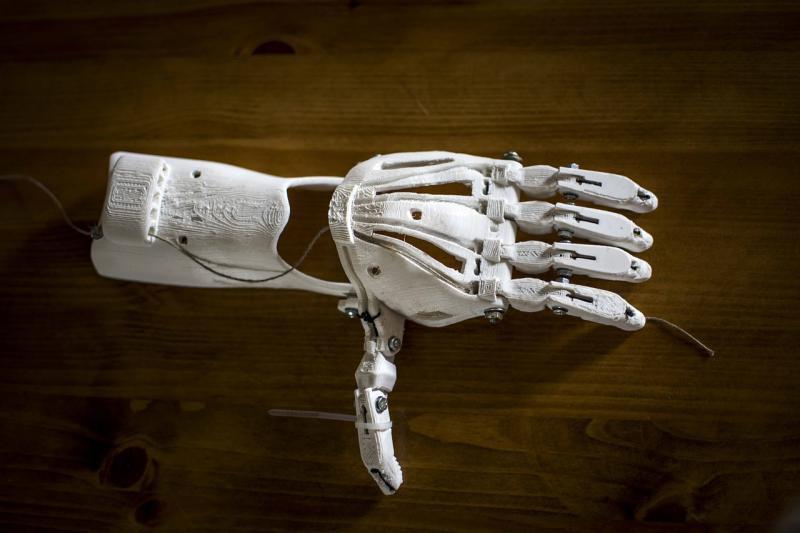
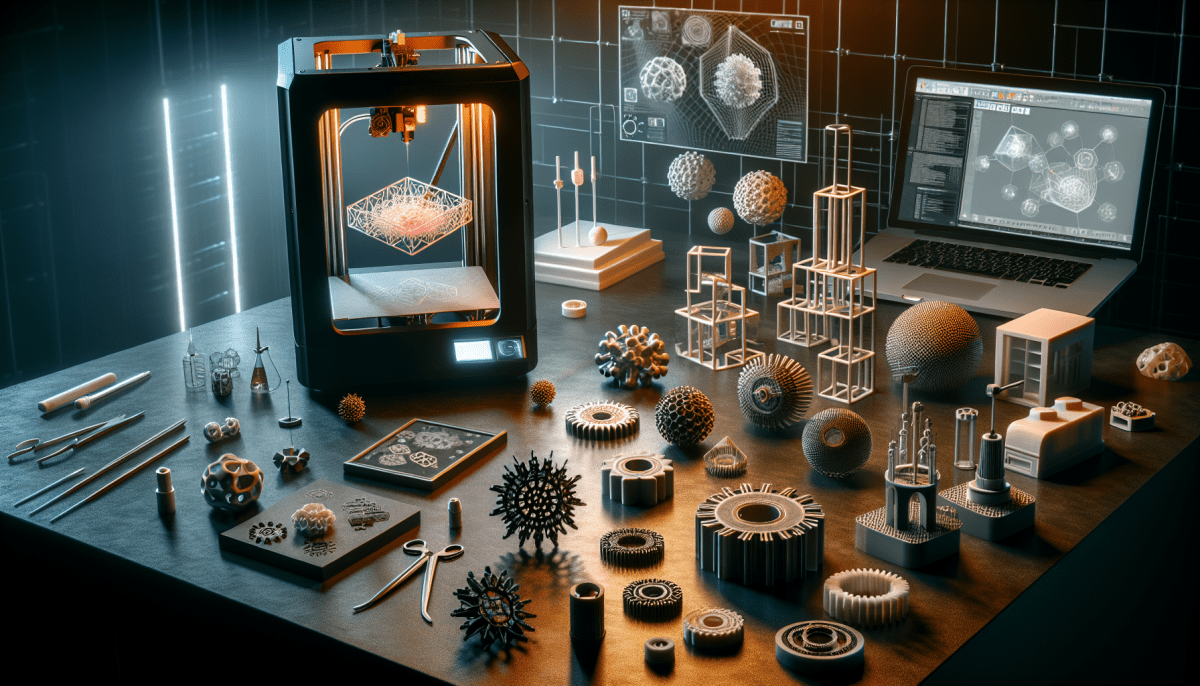
At its core, a 3D printer takes a digital design and turns it into a physical object. It does this by laying down layers of material—kind of like frosting a cake, one layer at a time. This process is called additive manufacturing, and it’s what makes 3D printing so cool. You can create everything from tiny toys to complex mechanical parts!
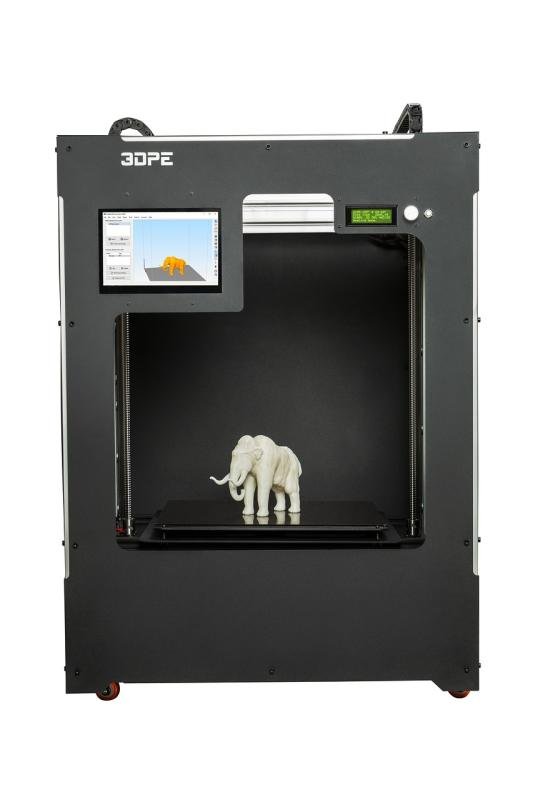
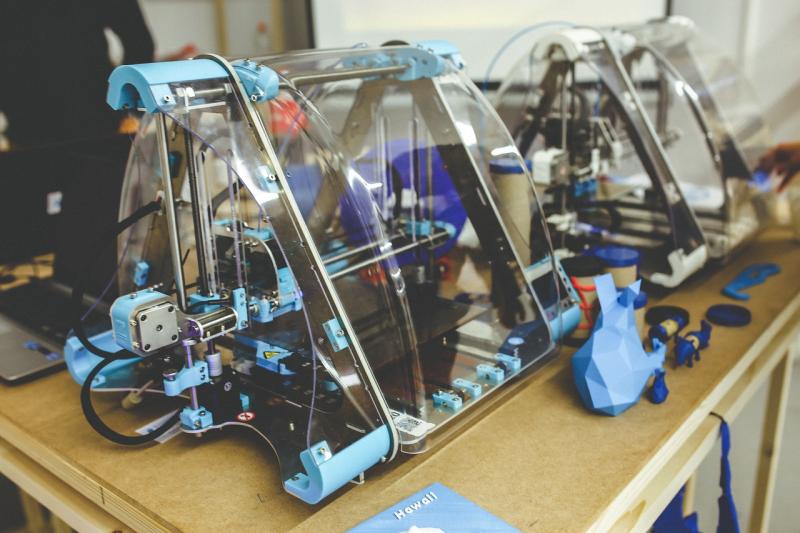
Now, let’s chat about the different types of 3D printers. The most common type you’ll see is Fused Deposition Modeling (FDM). These printers work by melting plastic filament and extruding it layer by layer. They're great for beginners, thanks to their affordability and ease of use.
Next up, there’s Stereolithography (SLA). These printers use a laser to cure resin into solid layers. They often produce higher detail and smoother finishes, but they can be a bit more challenging to work with. Perfect for hobbyists looking to create intricate designs!
Then we have Selective Laser Sintering (SLS). This type uses a powerful laser to fuse powdered materials together. SLS printers can create strong parts, and you’ll find them in professional settings, especially in industries like engineering and aerospace. They’re a bit pricier, but the results can be impressive!
Choosing the Right Filament for Your Projects
When it comes to 3D printing, choosing the right filament can make or break your project. The filament is the material that your printer uses to create your designs, so picking one that fits your needs is key. You’ve got a few popular options to consider, each with its own vibe and purpose.
First off, there’s PLA (Polylactic Acid). This is a favorite for beginners because it’s super easy to work with. It doesn’t warp, sticks well to the print bed, and comes in a rainbow of colors. It smells a bit sweet while printing, which is a nice bonus! If you’re making decorations or prototypes, PLA is a solid choice.
Next up is ABS (Acrylonitrile Butadiene Styrene). This one’s a bit trickier. It’s tougher and can handle heat better than PLA, so it’s great for functional parts. However, ABS can warp if you don’t have a heated bed and may give off some fumes, so good ventilation is a must. If you need something durable for everyday use, ABS might be the way to go.
For those looking to add a bit of flair, there’s PETG (Polyethylene Terephthalate Glycol). It’s a good middle ground between PLA and ABS. PETG is strong, food-safe, and doesn’t warp easily. Plus, it’s more flexible than both PLA and ABS, making it great for projects that need some bending. If you’re feeling adventurous, give PETG a shot!
Lastly, specialty filaments like TPU (Thermoplastic Polyurethane) are worth a mention. TPU is flexible and rubbery, perfect for items like phone cases or toys that need some give. Just know that it can be a bit tricky to print with, so make sure your printer can handle it before diving in.
Tips for First-Time 3D Printing Success
Starting your 3D printing journey is super exciting, but it can also feel a little overwhelming. Here are some tips to help you hit the ground running and avoid some common rookie mistakes.
First off, making sure you set up your printer correctly is key. Follow the manufacturer's instructions carefully. Leveling the print bed is often the most crucial step. If it’s not level, your prints can warp or fail altogether. Spend a little extra time here; it pays off big time!
Next, choose the right filament. PLA is a great choice for beginners since it’s easy to work with and doesn’t need a heated bed. You’ll find lots of colorful options, too! Just make sure to store your filaments properly to keep them in good shape.
Don’t skip on the slicing software. This is where you prepare your 3D model to be printed. Experiment with different settings to find what works best for your printer and project. Start with standard settings, then tweak them as you get the hang of things.
Lastly, be patient and keep experimenting. Your first few prints might not be perfect, and that’s totally okay. Learn from each attempt. Click on the failed prints; you'll soon see the progress. Keep at it, and soon you'll be creating awesome projects in no time!